
Blog posts tagged "Ubuntu 18.04"
In accordance with the information shared in our latest blog post, it is important to note that Ubuntu 18.04 LTS, codenamed ‘Bionic Beaver,’ is approaching the end of its standard five-year maintenance period on 31 May 2023. Consequently, unless you hold an Ubuntu Pro subscription, updates for Ubuntu 18.04 LTS servers will cease to be

Ubuntu 릴리즈 중 가장 인기가 많은 Ubuntu 18.04 LTS ‘Bionic Beaver’는 2023년 5월 31일에 장기 지원(LTS) 릴리즈에 대한 5년간의 표준 유지보수 기간이 종료됩니다. Ubuntu LTS 릴리즈란 무엇인가요? Ubuntu LTS 릴리즈는 개발 및 프로덕션을 위한 안정적인 기업 플랫폼을 ‘Main’ 리포지토리에 대한 5년간의 표준 보안 유지관리 및 다음 LTS 릴리즈로의 인플레이스 업그레이드와 함께 제공합니다. 조치하는 것이 중요합니다
Time to prepare for Ubuntu 18.04 LTS end of standard support on 31 May 2023 – Options for AWS users.
As mentioned in our recent blog post, Ubuntu 18.04 LTS ‘Bionic Beaver‘ will reach the end of the standard five-year maintenance window on 31 May 2023. This means that Ubuntu 18.04 LTS servers will stop receiving updates unless you are an Ubuntu Pro subscriber. With an Ubuntu Pro subscription, your Ubuntu 18.04 LTS deployment will
Ubuntu 18.04 LTS ‘Bionic Beaver‘, one of the most popular Ubuntu releases, will reach the end of the standard, five-year maintenance window for Long-Term Support (LTS) releases on 31 May 2023. Find out more What is an Ubuntu LTS release? Ubuntu LTS releases provide a stable, enterprise platform for development and production, with five ye
Ubuntu 18.04 ‘Bionic Beaver’ is reaching End of Standard Support this May. If you don’t take action, you will transition to 18.04 EOL (End Of Life). This distribution of Ubuntu was installed by millions of users and powers up thousands of devices. From kiosks and appliances to IoT devices and robots, 18.04 helped many companies

Canonical today announced the general availability of OpenStack Ussuri on Ubuntu 20.04 LTS and Ubuntu 18.04 LTS. The most notable enhancements of today’s OpenStack upstream release are stabilisation efforts around the Open Virtual Networking (OVN) driver and the Masakari project which allow organisations to run highly available workloads
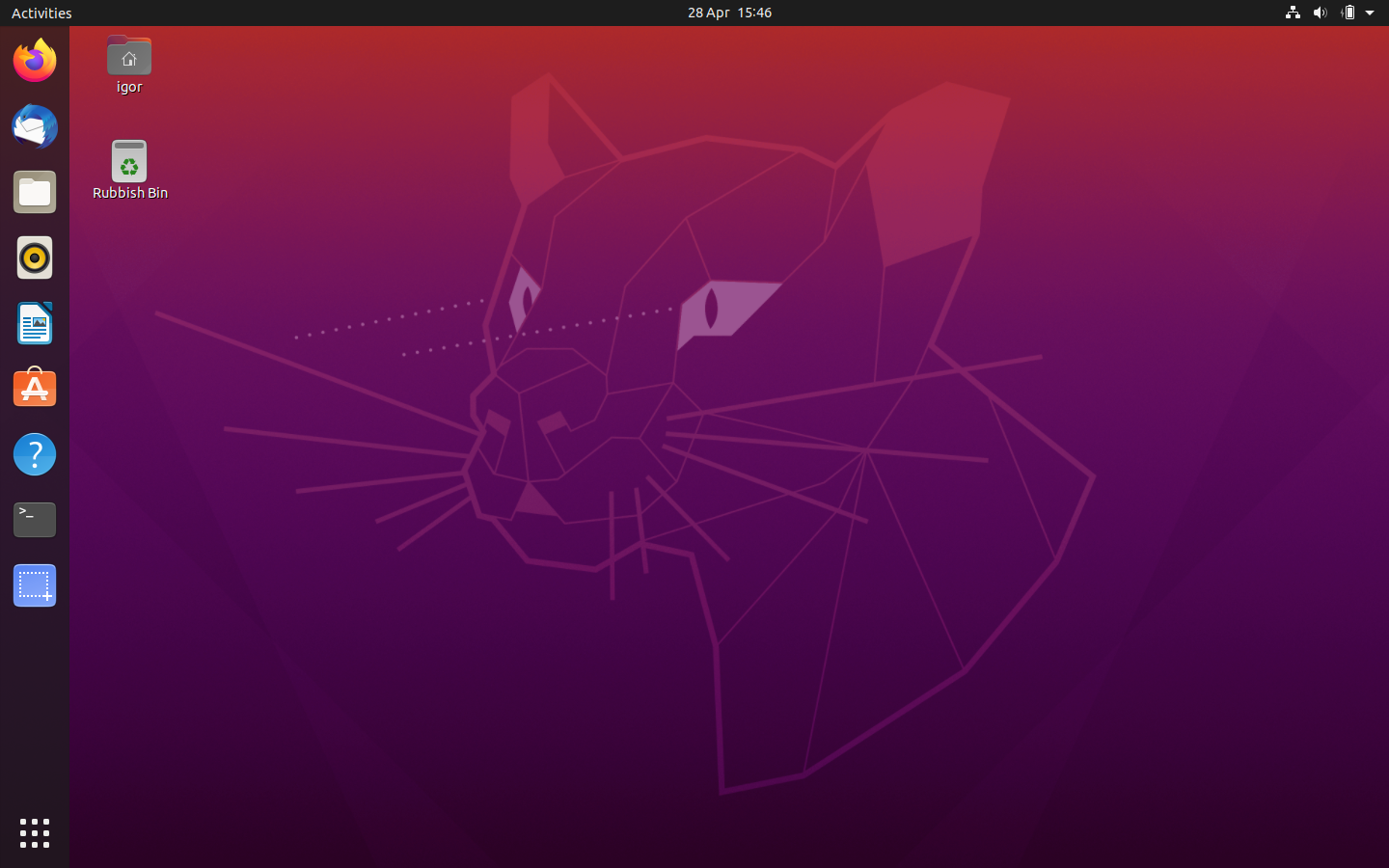
Ubuntu 20.04 LTS (Focal Fossa) was officially released on April 23. This is the latest Ubuntu Long Term Support (LTS) release, with security patches and updates available until 2025. If you are currently using an older version of Ubuntu, you may be interested in upgrading. In this tutorial, we will show how to safely upgrade

The linux-aws 4.15 based kernel, which is the default kernel in the Ubuntu 18.04 LTS AMIs, is moving to a rolling kernel model. Why is this changing? The Ubuntu rolling kernel model provides the latest upstream bug fixes and performance improvements around task scheduling, I/O scheduling, networking, hypervisor guests and containers to ou

New premium Ubuntu images with extended security, kernel live patching and more 4th December 2019 – Canonical today announced the availability of Ubuntu Pro images for Amazon Web Services (AWS). Available via AWS Marketplace, covering Ubuntu 14.04 LTS, 16.04 LTS and 18.04 LTS, these new premium images allow enterprises to purchase extende

Enterprises currently face the challenge of how to adopt and integrate AI and ML into their operations effectively, at scale and with minimum complexity. In tandem, today’s AI workloads have become increasingly advanced and the compute power required to support them has exponentially increased. Canonical and NVIDIA have collaborated to h
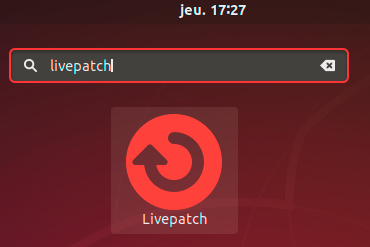
Ubuntu 18.04.3 LTS has just been released. For the Desktop, newer stable versions of GNOME components have been included, as well as a new feature – Livepatch desktop integration. As usual with LTS point releases, the main changes are a refreshed hardware enablement stack (newer versions of the kernel, xorg & drivers) and a number
AWS and Canonical today announce the public release of Amazon EC2 Hibernation support for Ubuntu 18.04 LTS. Amazon EC2 Hibernation gives you the ability to launch Amazon EC2 instances, set them up as desired, hibernate them, and then quickly bring them back to life when you need them. Applications pick up exactly where they left