
Blog posts tagged "kubernetes"

Friction points in HPC DevOps Many High Performance Computing (HPC) setups are still handcrafted configurations where tuning changes can take days or weeks. This is because the more you tune and optimise something, the more bespoke and unique it is, and the more unique something is, the lower the chances that things will just work

Event overview and main themes On June 16th 2020, the Microsoft European Virtual Open Source Summit will be the occasion to meet and hear from all the communities, entrepreneurs and developers involved in building the future of open source technologies in the cloud. This is an opportunity to explore all the areas where Microsoft and
Windows and macOS developers can now use MicroK8s natively! Use kubectl at the Windows or Mac command line to interact with MicroK8s locally just as you would on Linux. Clean integration into the desktop means better workflows to dev, build and test your containerised apps. MicroK8s is a conformant upstream Kubernetes, packaged for simpli
Deep Learning is set to thrive Data science has exploded as a practice in the past decade and has become an undisputed driver of innovation. The forcing factors behind the rising interest in Machine Learning, a not so new concept, have consolidated and created an unparalleled capacity for Deep Learning, a subset of Artificial Neural
Kubernetes has enjoyed an unparalleled 5-year growth that has revolutionised the IT industry. It has become a key factor for organisations to be successful and have a competitive advantage. In order to optimise these benefits, organisations look for new ways to reduce Kubernetes complexity and get interoperability with other systems. Fast

This week, Canonical announced the integration of Charmed Kubernetes with Microsoft Azure Arc. This integration provides businesses with a centralised place to manage their Kubernetes clusters and deploy their applications at scale, from cloud to the edge. The Azure Arc dashboard enables management and governance of any Kubernetes, acros

Watch on demand With the benefits of Kubernetes now well established in the containerisation space, its adoption continues to exponentially increase. However, as developers and enterprises alike turn to Kubernetes for more and more types of use cases, available Kubernetes solutions often fail to meet their exact needs. Canonical’s extensi

The factors for implementing Kubernetes successfully at the edge Cloud native software such as containers and Kubernetes and IoT/edge are playing a prominent role in the digital transformation of enterprise organisations. They are particularly critical to DevOps teams that are focused on faster software releases and more efficient IT oper
Canonical today announced full enterprise support for Kubernetes 1.18, with support covering Charmed Kubernetes, MicroK8s and kubeadm. Committed to releasing in tandem with upstream Kubernetes, enterprises can benefit from the latest additions to enhance their day to day operations. “Canonical’s drive is to enable enterprises by giving th
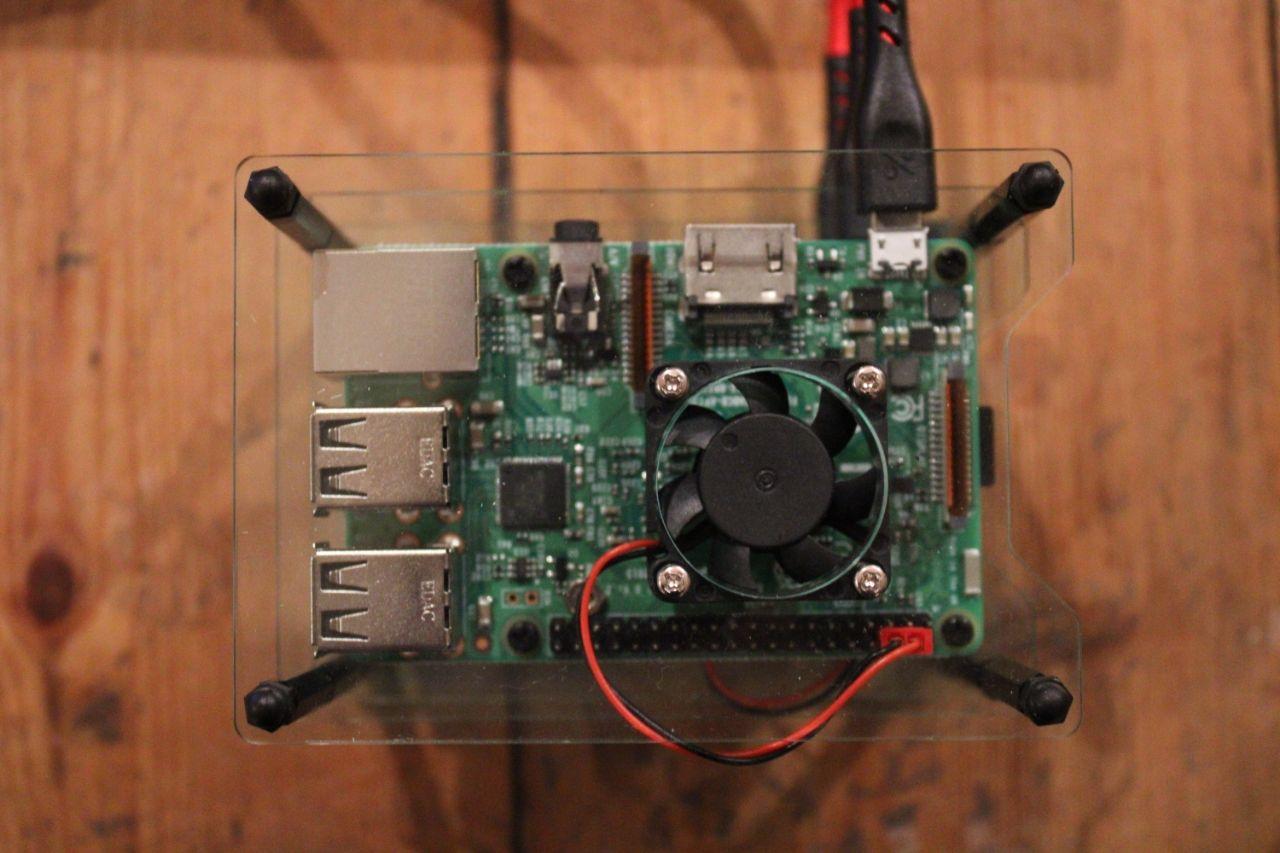
The tutorial for building a Raspberry Pi cluster with MicroK8s is here. This blog is not a tutorial. This blog aims to answer; why? Why would you build a Raspberry Pi cluster with MicroK8s? Here we go a little deeper to understand the hype around Kubernetes, the uses of cluster computing and the capabilities of

SUMMARY Canonical’s fully managed OpenStack, Kubernetes, Kafka, Elastic, Postgres and other open source stacks, are operating at full SLA. Ubuntu and broader open source support services are unaffected and our teams have adjusted schedules to allow for colleagues to be out sick while maintaining full coverage in the months to come. Secur
The latest release of Kubernetes is now available for download and experimentation, with the MicroK8s Kubernetes 1.18 release candidate. The easiest, fastest way to get the latest Kubernetes is to install MicroK8s on your machine. Just run: sudo snap install microk8s –channel=1.18/candidate –classic Or from snapcraft.io: https://snapcraft

Private cloud infrastructure remains an essential part of every enterprise nowadays. However, due to the increasing number of workloads and data, the overhead of managing bare metal servers, virtual machines and containers can mount up. Although tools like MAAS, OpenStack and Kubernetes help to address this problem, upskilling operations
Many DevOps tools struggle as deployments change. Juju excels. 2020 heralds a decade for a divided technology industry. Software delivery is diversifying. Complexity is increasing. Teams are looking to make use of new approaches such as serverless and split large applications into microservices. They also need to retain their existing app

The container landscape is based on constantly evolving technology, with Kubernetes dominating the ecosystem for automating and managing containerised applications. While a very powerful software, it’s also complex. How do you compare Kubernetes to other options, get started with containers, and maintain over the long-term? In this webina

MicroK8s is the smallest, fastest multi-node Kubernetes. Single-package fully conformant lightweight Kubernetes that works on 42 flavours of Linux as well as Mac and Windows using Multipass. Perfect for: Developer workstations, IoT, Edge, CI/CD. Anyone who’s tried to work with Kubernetes knows the pain of having to deal with getting setup