
Blog posts tagged "Private cloud"

In this blog, we will go through some of the most significant features we have included in our monthly releases so far this year. Links to each of the release announcements are linked for detailed information.

ChatGPT has been the talk of the town for more than four months now. As the first ever artificial intelligence (AI) -powered chatbot, it has quickly gained immense popularity, helping students, engineers and even executives generate content, write and debug code and run market analyses. But could ChatGPT be used for anything other than na

Phoenix Systems, a Swiss company, partnered with IBM and Canonical to create a hyper-secure OpenStack cloud focused on data sovereignty and data protection. Switzerland is a country where data must be hosted within its borders, and for many workloads, public clouds are not an option. Phoenix Systems stepped in to fill this niche by buildi

Cloud repatriation is undoubtedly one of the hottest trends in the cloud infrastructure space as of 2023. It enables organisations to regain control of their cloud spend, workloads and data. According to a report on cloud repatriation by 451 Research group, 48% of IT decision makers confirmed that they had moved their applications away fr
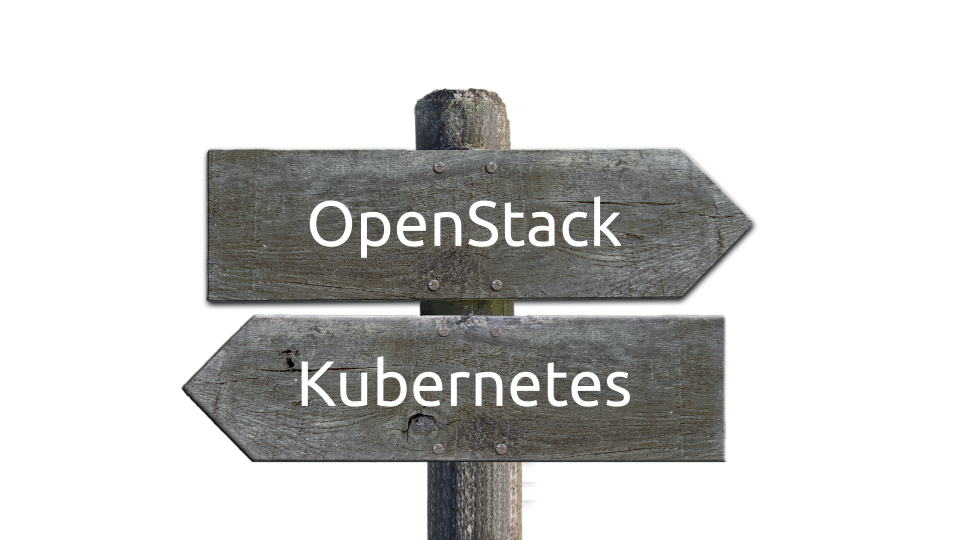
Kubernetes vs OpenStack is a common dilemma that organisations face when considering the modernisation of their IT infrastructure. Both are well-established open-source technologies for building cloud infrastructure, and both bring tangible benefits, especially when used in combination. Yet, they differ significantly and need to be proper

Cloud optimisation enables organisations to significantly lower their cloud spending while ensuring the desired performance and necessary compliance. It’s a process that every business should adopt when choosing cloud infrastructure as a foundation for their applications. It’s been proven that applying cloud optimisation best practices le

Public clouds enabled digital transformation at unprecedented speed. But their operational costs over time can be exacting as compute needs increase. Hybrid clouds emerged as an alternative to gain the benefits of both worlds: private infrastructure that allows for lower operational expenditures and tighter control, and public clouds that
Private clouds combine the many benefits of cloud computing, like elasticity, scalability and agility, with the security, access control and resource customisation of on-prem infrastructure. Private clouds allow financial institutions to have greater control over hardware and software choices. They make it easier to enforce compliance wit

In the beginning, there was Amazon Web Services (AWS). And AWS set a standard for cloud computing. AWS was fast, flexible, convenient to use and geo-redundant. Definitely much better than legacy IT infrastructure or VMware. A lot of enterprises all over the world started migrating their business applications to AWS. Over the next few year

Are you looking to host your own ERP cost-effectively, or perhaps evaluating solutions to host other types of applications for your small business? Learn how you can do that with LXD.

Why private clouds? Regulatory compliance and data privacy requirements require financial institutions (FIs) to consider carefully where their applications are running and where the customer data is stored. The data protection and data sovereignty laws in most countries require an enterprise to keep data in certain geographic locations. P

Austin, Texas – 3rd of March 2022 – OpenStack is dead! A masked man in a black cloak with “public clouds”, “containers” and ”serverless” inscriptions shot OpenStack straight in the heart. OpenStack fell to the ground and with the last moment of strength exclaimed: “Long live open infrastructure”! That could be a headline of a
March 1st, 2022 — Canonical announces that Pacific Textiles chose Canonical Charmed OpenStack for its infrastructure upgrade. The new private cloud environment allows keeping the legacy workloads running continuously and launching new cloud-native services simultaneously. The professional services team from Canonical helped Pacific Textil
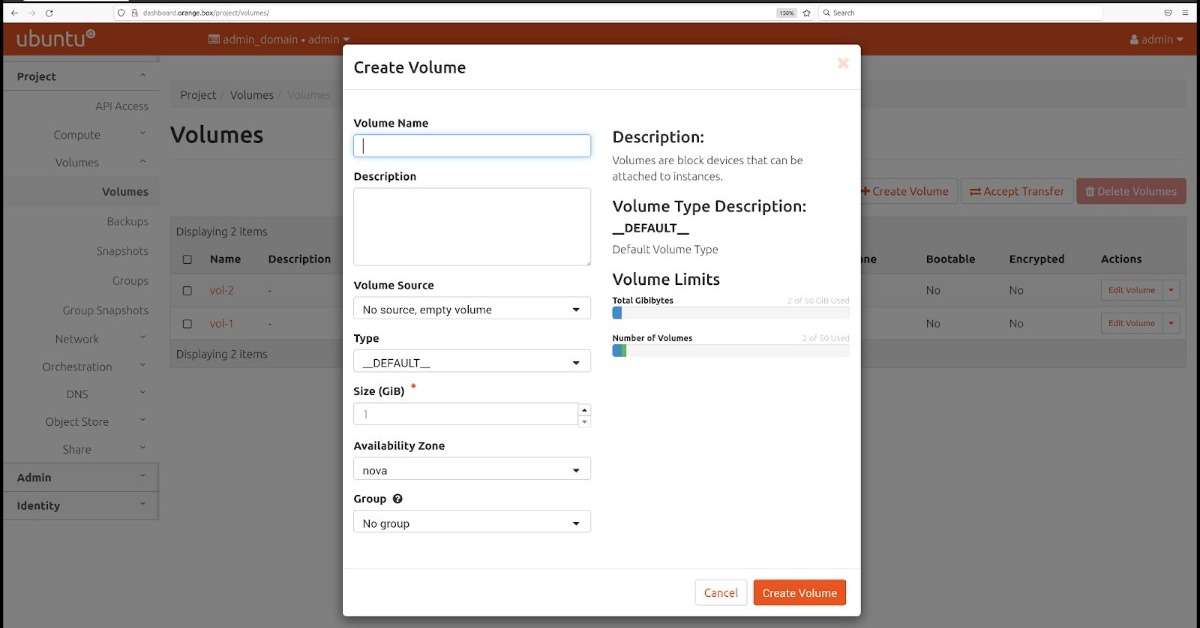
OpenStack storage is probably one of the most complex topics in OpenStack architecture right after networking. There are many different storage options, at least a few storage services, and tons of supported storage backends. It is very easy to get lost. But do not worry, there is hope. Since OpenStack was initially created as an

Are you looking for an open source cloud platform and you don’t know where to start? Are you getting lost in all the independent rankings and cloud platform comparison pages? Try OpenStack and get your open source cloud platform up and running today. OpenStack works at any scale: from a single workstation to thousands of

Happy New Year 2022! The fireworks are all fired, the champagne is over. It is time to get back to work. We are glad to see you here though. 2021 was a good year for OpenStack and its Ubuntu-based community. First, we all have seen Ubuntu becoming the number one operating system (OS) for OpenStack